Join Our Annual Maintenance Program!
Crawl space encapsulation is a vital home improvement technique that involves sealing off the crawl space to prevent moisture intrusion and improve air quality. This process not only protects the structural integrity of a home but also enhances energy efficiency and indoor air quality. Many homeowners face issues such as mold growth, musty odors, and high energy bills due to unsealed crawl spaces. This article will explore the definition of crawl space encapsulation, its benefits, installation processes, and maintenance practices. Additionally, we will discuss related technologies that complement encapsulation, providing a comprehensive understanding of this essential home improvement strategy.
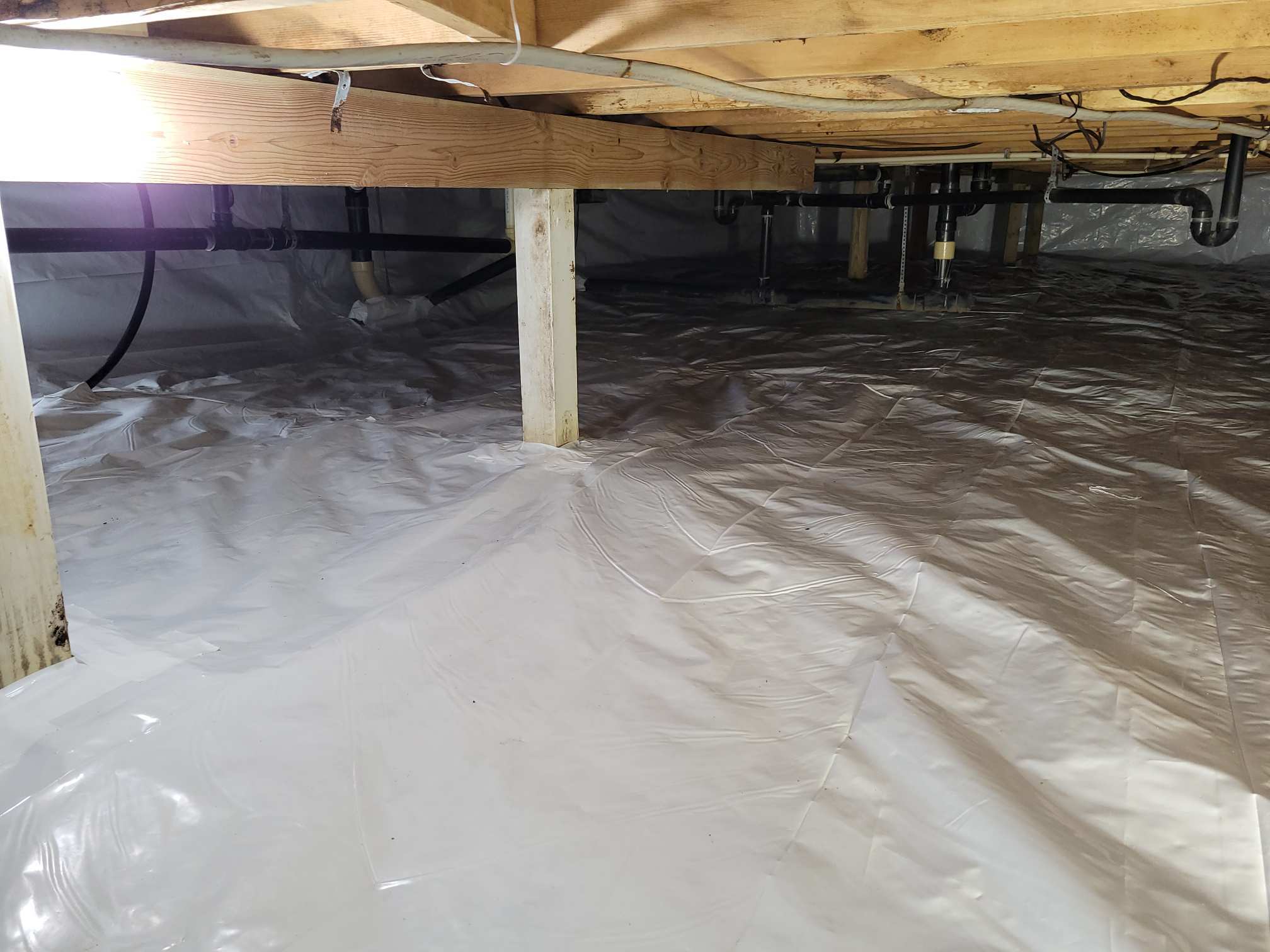
Crawl space encapsulation is the process of sealing the crawl space with a vapor barrier and insulation to control moisture and improve air quality. This method involves covering the ground and walls of the crawl space with a durable plastic liner, which prevents moisture from the soil from entering the home. The key components of encapsulation include vapor barriers, insulation, and dehumidifiers, all working together to create a dry and healthy environment.
Crawl space encapsulation effectively controls moisture by creating a barrier that prevents humid air from entering the space. This process reduces the likelihood of mold growth and improves indoor air quality by minimizing allergens and pollutants. By maintaining a dry environment, encapsulation also helps to protect the structural components of the home from water damage and decay.
Vapor barriers are essential components of crawl space encapsulation, designed to block moisture from the ground. Typically made from polyethylene plastic, these barriers are installed on the ground and walls of the crawl space. Their primary role is to prevent moisture from seeping into the home, thereby reducing humidity levels and the risk of mold growth. Proper installation of vapor barriers is crucial for the effectiveness of the encapsulation process.
Encapsulating a crawl space offers numerous benefits, including improved energy efficiency, enhanced indoor air quality, and increased structural integrity. Homeowners can expect a reduction in energy costs due to better insulation and moisture control, leading to a more comfortable living environment. Additionally, encapsulation helps prevent mold and mildew, which can pose health risks to occupants.
These comprehensive advantages are further supported by studies examining the performance of closed crawl spaces.
For those considering encapsulation, investing in high-quality vapor barriers and insulation materials can significantly enhance these benefits.
Encapsulation prevents mold growth by creating a dry environment that is inhospitable to mold spores. By sealing off the crawl space from outside moisture, homeowners can significantly reduce the chances of mold development. Studies show that homes with encapsulated crawl spaces experience up to a 90% reduction in mold growth compared to unsealed spaces. This proactive approach not only protects the home but also promotes a healthier indoor atmosphere.
Research consistently highlights the importance of managing crawl space humidity to mitigate mold growth and safeguard indoor air quality.
Encapsulation improves energy efficiency by insulating the crawl space, which helps maintain consistent temperatures throughout the home. This insulation reduces the workload on heating and cooling systems, leading to lower energy bills. Furthermore, by controlling humidity levels, encapsulation enhances indoor air quality, making the home more comfortable and healthier for its occupants.
Specific research has quantified these energy benefits, showing substantial savings from sealing and insulating crawl space vents.
The installation of crawl space encapsulation involves several key steps and materials. First, the area must be cleaned and prepared, removing any debris or existing moisture issues. Next, a vapor barrier is laid down on the ground and secured to the walls. Insulation is then added to the walls, and a dehumidifier may be installed to further control moisture levels.
Proper vapor barrier installation is crucial for effective encapsulation. The steps include:
Following these steps ensures a tight seal that effectively blocks moisture.
Homeowners can expect significant long-term savings from crawl space encapsulation. By reducing energy costs, preventing moisture damage, and improving indoor air quality, encapsulation can save homeowners hundreds of dollars annually. Additionally, homes with encapsulated crawl spaces often have higher resale values, making it a wise investment for the future.
Maintaining an encapsulated crawl space is essential for ensuring its effectiveness over time. Regular inspections and maintenance practices can help identify potential issues before they become significant problems.
To maintain vapor barriers and dehumidifiers, homeowners should:
These practices help maintain a dry and healthy crawl space environment.
Homeowners should check crawl space insulation and moisture levels at least twice a year. During these inspections, look for signs of moisture, mold, or damage to insulation. Addressing any issues promptly can prevent costly repairs and maintain the effectiveness of the encapsulation system.
Several technologies can enhance the effectiveness of crawl space encapsulation, including dehumidifiers and radon mitigation systems. These systems work together to create a healthier living environment.
Dehumidifiers play a crucial role in maintaining low humidity levels in encapsulated crawl spaces. By removing excess moisture from the air, they help prevent mold growth and protect the structural integrity of the home. Regular maintenance of dehumidifiers ensures they operate efficiently and effectively.
Business Name: DryTek Crawlspace Solutions
Address: 818 Brown St, Salisbury, MD 21804
Phone: 410-543-4848
Secondary Number: 302-468-1811
Business Hours:
Monday - Thursday: 8:00 AM to 4:00 PM
Friday: 8:00 AM to 12:00 PM
Saturday & Sunday: Closed
Salisbury, MD • Ocean Pines, MD • Ocean City, MD • Fruitland, MD • Delmar, MD • Berlin, MD
Milford, DE • Milton, DE • Georgetown, DE • Lewes, DE • Bethany Beach, DE • Ocean View, DE

Up to $150 off Military / Veteran / First Responder