Join Our Annual Maintenance Program!

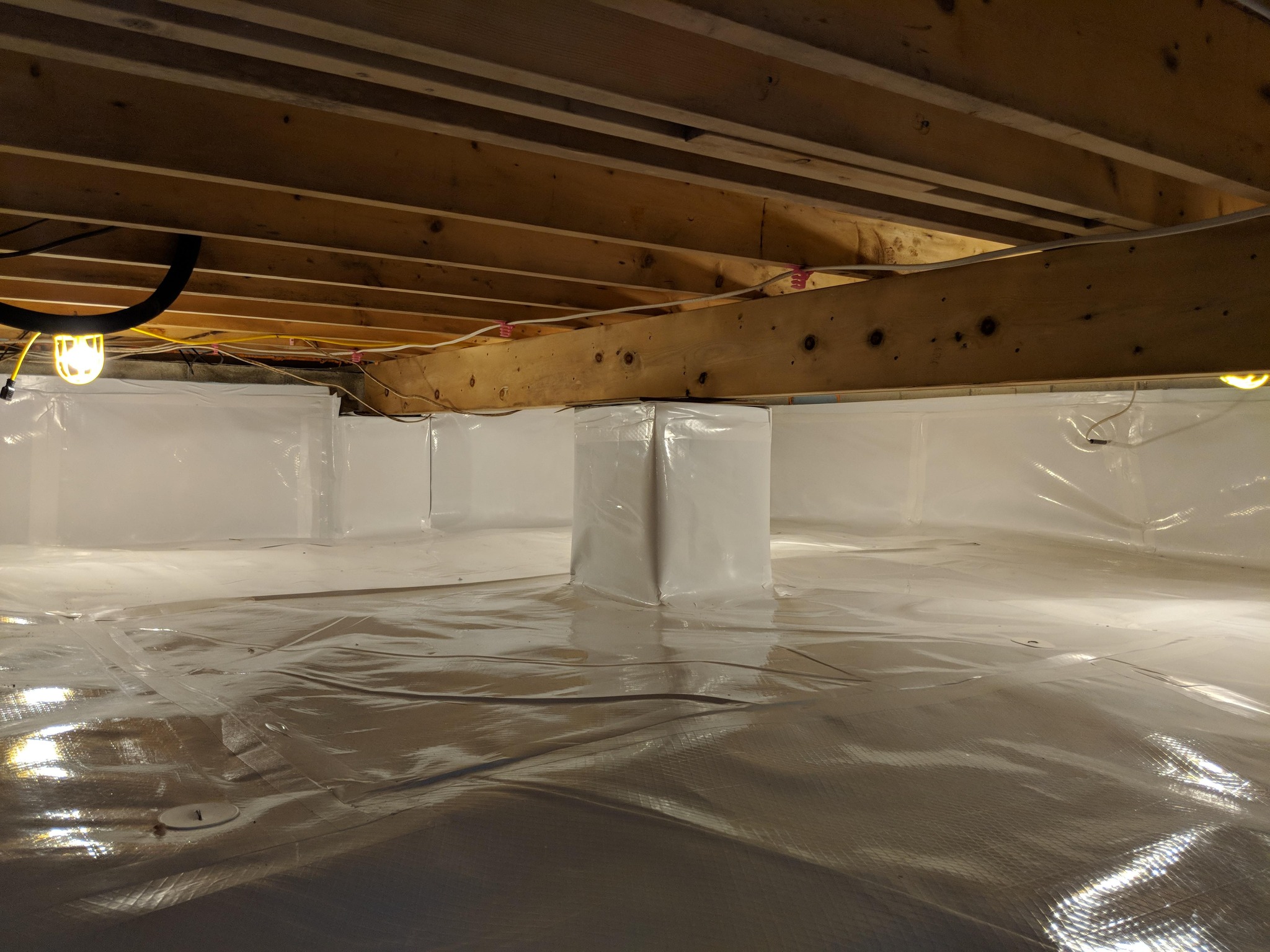
Crawl spaces are often overlooked areas in homes, yet they play a crucial role in maintaining the overall health and integrity of a building. One of the most effective ways to protect these spaces from moisture-related issues is through vapor barrier installation. This article will explore the numerous benefits of vapor barriers, including their role in moisture control, mold prevention, and structural integrity. Homeowners often face challenges such as mold growth and pest infestations due to excess moisture, but vapor barriers provide a reliable solution. We will delve into the installation process, associated costs, and maintenance tips to ensure longevity. Key sections will cover the importance of vapor barriers, their health benefits, and how to maintain them effectively.
A crawl space vapor barrier is a protective layer installed on the ground of a crawl space to prevent moisture from seeping into the home. This barrier is essential because it helps maintain a dry environment, which is crucial for preventing structural damage and health issues. By blocking moisture, vapor barriers reduce the risk of mold growth and pest infestations, creating a healthier living space. Common materials used for vapor barriers include polyethylene sheets, which are durable and effective in moisture control.
Vapor barriers work by creating a physical barrier that blocks moisture from the ground. When installed correctly, they prevent water vapor from rising into the crawl space, which can lead to condensation and dampness. This is particularly important in areas with high humidity or where groundwater levels fluctuate. By keeping the crawl space dry, vapor barriers help protect the structural integrity of the home and reduce the likelihood of mold and mildew growth.
The most commonly used material for vapor barriers is polyethylene sheeting, which comes in various thicknesses. Thicker sheets provide better protection against moisture intrusion. Other materials may include reinforced plastic and specialized moisture barriers designed for specific environmental conditions. Each material has its benefits, such as durability and resistance to punctures, which are important factors to consider during installation.
Installing a vapor barrier significantly enhances home health by reducing moisture levels that can lead to mold and pest problems. A dry crawl space contributes to better indoor air quality, as it minimizes the chances of mold spores and allergens circulating throughout the home. Additionally, maintaining a dry environment helps preserve the structural integrity of the building, preventing wood rot and other moisture-related damage.
Vapor barriers are effective in preventing mold growth by eliminating the moisture that mold spores need to thrive. By keeping the crawl space dry, these barriers create an inhospitable environment for pests such as termites and rodents, which are attracted to damp areas. This proactive approach not only protects the home but also contributes to the overall health of its occupants by reducing allergens and irritants.
Moisture control is vital for maintaining the structural safety of a home. Excess moisture can weaken wooden beams and supports, leading to costly repairs and potential safety hazards. By installing a vapor barrier, homeowners can significantly reduce the risk of structural damage caused by moisture, ensuring the longevity and safety of their property.
Crawl space encapsulation involves sealing the entire crawl space, including the walls and floor, with a vapor barrier. This process offers several key benefits, including improved energy efficiency, enhanced indoor air quality, and long-term cost savings. By preventing moisture intrusion, encapsulation helps maintain a stable temperature in the home, reducing heating and cooling costs.
Encapsulation improves energy efficiency by creating a controlled environment that reduces the workload on heating and cooling systems. With less moisture in the air, HVAC systems can operate more efficiently, leading to lower energy bills. Additionally, encapsulation enhances indoor air quality by preventing mold growth and reducing allergens, creating a healthier living environment for occupants.
Proper crawl space moisture management through vapor barrier installation offers long-term advantages, including increased home value and reduced maintenance costs. By preventing moisture-related issues, homeowners can avoid expensive repairs and maintain the structural integrity of their property. Furthermore, a well-maintained crawl space can enhance the overall comfort and health of the home.
The installation of a vapor barrier typically involves several steps, including site preparation, material selection, and proper installation techniques. Homeowners should consider hiring professionals to ensure the barrier is installed correctly for maximum effectiveness. The costs associated with vapor barrier installation can vary based on factors such as the size of the crawl space and the materials used.
The professional vapor barrier installation process begins with site preparation, which involves clearing the crawl space of debris and ensuring proper drainage. Next, the appropriate vapor barrier material is selected based on environmental conditions. Finally, the vapor barrier is laid on the ground and sealed at the seams and edges to prevent moisture intrusion. These steps ensure that the vapor barrier functions effectively and provides long-lasting protection against moisture.
Maintaining and monitoring vapor barriers is essential for ensuring their effectiveness over time. Homeowners should regularly inspect the crawl space for signs of moisture or damage to the barrier. Proper maintenance practices can extend the life of the vapor barrier and enhance its protective capabilities.
Best practices for vapor barrier maintenance and inspection include conducting regular inspections of the crawl space at least once per year to check for signs of moisture or damage. If any tears or punctures in the vapor barrier are found, they should be addressed promptly to prevent moisture intrusion. Additionally, homeowners should monitor humidity levels in the crawl space using a hygrometer to ensure they remain within a safe range. These practices help maintain the integrity of the vapor barrier and protect the home from moisture-related issues.
Vapor barriers can last anywhere from 15 to 30 years, depending on the material and environmental conditions. Homeowners should consider replacing the vapor barrier if they notice significant wear, damage, or persistent moisture issues in the crawl space. Regular inspections and maintenance can help identify when replacement is necessary, ensuring continued protection against moisture intrusion.
Business Name: DryTek Crawlspace Solutions
Address: 818 Brown St, Salisbury, MD 21804
Phone: 410-543-4848
Secondary Number: 302-468-1811
Business Hours:
Monday - Thursday: 8:00 AM to 4:00 PM
Friday: 8:00 AM to 12:00 PM
Saturday & Sunday: Closed
Salisbury, MD • Ocean Pines, MD • Ocean City, MD • Fruitland, MD • Delmar, MD • Berlin, MD
Milford, DE • Milton, DE • Georgetown, DE • Lewes, DE • Bethany Beach, DE • Ocean View, DE

Up to $150 off Military / Veteran / First Responder