Join Our Annual Maintenance Program!

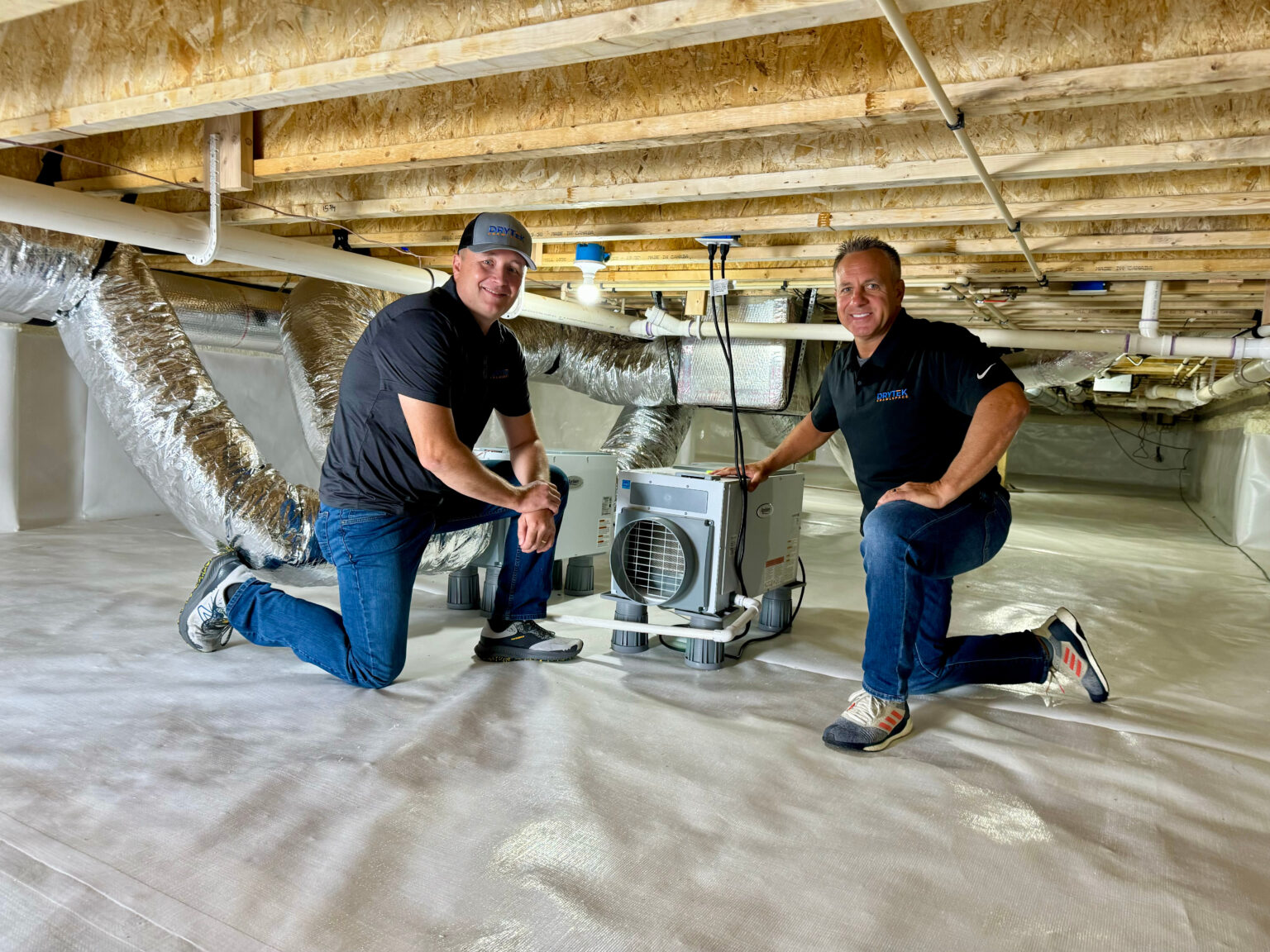
Crawl spaces and basements in Delmarva often show early warning signs long before visible damage appears, and recognizing those signs helps homeowners act before health or structural problems escalate. This article explains how moisture reveals itself in basements and crawl spaces across Salisbury, Ocean Pines, Fruitland and surrounding Delmarva towns, why those signals matter, and what practical steps to take next. You will learn to identify musty odors, visible mold, water stains, efflorescence, foundation cracks, and humidity-driven condensation, plus the short-term mitigations and long-term fixes that address root causes. The guide walks through the health, structural, and energy consequences of unchecked moisture, how to assess foundation cracks, and how to prioritize solutions such as encapsulation, dehumidification, drainage, and repair. Finally, the article maps a clear inspection checklist and next steps for homeowner action including when a professional estimate is warranted.
A wet crawl space shows predictable signs because moisture moves through soil, masonry, and air, producing sensory and visual cues that indicate active or chronic problems. Visible indicators and smells are often the first evidence: musty odors, mold growth, water stains, efflorescence on masonry, and foundation cracks each point to distinct moisture pathways and risk levels. Detecting these signs early reduces the risk of floor rot, indoor air quality decline, and escalating repair costs by enabling targeted interventions. Below are the top signs to look for, how they present in Delmarva climates, and what they commonly imply about the underlying moisture source.
This quick list highlights the most common signs for home inspections in Delmarva.
These signs reveal different moisture mechanisms: airborne humidity, capillary rise, surface leaks, and structural gaps, and they lead naturally to inspection and control measures like encapsulation and drainage. The next subsections show how to detect each sign in practical detail and what immediate actions to take.
A musty odor is a sensory red flag signaling persistent moisture, microbial activity, or trapped humid air, and it often appears after warm, humid days or following heavy rain. To detect it, enter cautiously with a flashlight and note whether the smell is strongest near vents, under HVAC ducts, or around insulation; document observations with photos and timestamps. Persistent mustiness usually indicates ongoing moisture sources such as high relative humidity, soil moisture migration, or intermittent leaks rather than a one-time damp event. If the odor persists after drying attempts, prioritize moisture control measures and professional microbial assessment to prevent mold colonization and indoor air impacts.
Noting where the smell is strongest will help identify whether air sealing, dehumidification, or encapsulation will be the most effective next step.
Visible mold indicates active colonization where moisture and organic material are present, and it develops when relative humidity stays high enough to support spore growth on wood, insulation, or cardboard. Mold appearance ranges from fuzzy or patchy colonies to flat discoloration; differentiating mold from dirt requires close visual inspection and, when necessary, professional microbial testing. Finding mold suggests the environment supports biological growth and that source control—reducing humidity, stopping leaks, or removing damp materials—is required alongside remediation. Prompt containment and remediation reduce spore spread and minimize health and structural impacts, and coordinated moisture control prevents recurrence.
Document mold locations and avoid disturbing colonies to reduce airborne spores before contacting remediation professionals.
Water stains are physical records of past or present water contact and typically appear as darkened wood, rusty fasteners, discolored insulation, or tide lines on masonry that reveal the height and frequency of intrusion. Patterns matter: vertical streaks may follow plumbing or cracks, while horizontal tide marks suggest standing or repeated pooling at a consistent level. Identifying stain location relative to grading, downspouts, and interior plumbing helps determine whether the source is exterior seepage, gutter overflow, or internal plumbing failure. When stains coincide with active dampness or puddling, immediate drainage or sump solutions help reduce ongoing damage while further diagnostics identify permanent fixes.
Photograph stain patterns and note whether staining increases after rain events to prioritize drainage or interior waterproofing.
Foundation cracks act as direct conduits for groundwater and surface water, and their presence increases the likelihood of seepage into basements or crawl spaces when soil becomes saturated or pressure changes. Hairline cracks may allow slow seepage and mineral deposits, while larger or diagonal cracks can indicate structural movement and require prompt assessment. Tracking crack width, length, and offset over time helps distinguish cosmetic shrinkage from progressive settlement or pressure-related failure. When cracks show movement, water entry, or correlate with interior damage, professional repair combined with waterproofing measures such as drainage or interior drain tile is typically needed.
Monitoring cracks over seasons can reveal patterns tied to Delmarva’s soil moisture cycles and guide whether sealing alone is adequate or more extensive repair is required.
After identifying these signs, consider targeted solutions such as Crawl Space Encapsulation, Crawl Space Dehumidification, and Microbial Growth Remediation to address air quality and moisture at the source while preventing recurring mold and odors.
High humidity in basements and crawl spaces creates an environment that supports mold growth, condensation on pipes and walls, wood rot, and higher energy bills because HVAC systems condition additional latent moisture. Mechanically, moisture-laden air transfers heat and water vapor into building cavities where cooler surfaces trigger condensation; over time this damages insulation, floor systems, and finishes. Measuring relative humidity with a reliable hygrometer and comparing it to recommended ranges (generally below 60%) is the first step toward diagnosis. Controlling humidity through a combination of dehumidification, encapsulation, improved drainage, and selective ventilation reduces biological and structural risks while improving indoor comfort.
Excess humidity raises mold risk and can trigger allergy and respiratory symptoms in sensitive occupants, while structurally it accelerates wood decay, rusts fasteners, and degrades insulation performance. Healthwise, prolonged exposure to damp indoor environments is associated with increased incidence of wheeze, coughing, and allergic rhinitis among occupants, especially those with asthma. Structurally, continuous moisture contact reduces load-bearing capacity of joists and subfloor and promotes rot that leads to sagging or squeaky floors. Addressing humidity is therefore both a health and longevity priority that protects indoor air quality and prevents costly structural repairs.
Reducing humidity stabilizes indoor conditions and limits the biological processes that cause both health problems and material degradation.
Condensation appears as persistent water droplets on cold surfaces, wet insulation, or fogging on windows and pipes, and it often occurs when warm humid air contacts cooler foundation walls or ductwork. Use a hygrometer to record relative humidity during different seasons and after rain events to see whether internal humidity exceeds safe ranges; inspect common hotspots like perimeter walls, crawl space under-floor ducts, and plumbing runs. Dampness that lingers despite short-term ventilation points to systemic moisture control issues rather than transient condensate. Documenting times, locations, and humidity levels helps determine whether encapsulation, dehumidification, or drainage will be most effective.
Consistent measurements across seasons establish whether condensation is occasional or indicative of an ongoing moisture load requiring remediation.
Effective humidity control typically combines Crawl Space Encapsulation with continuous Crawl Space Dehumidification, supplemented by drainage improvements, sump pumps, or spot ventilation where needed, because addressing both vapor entry and bulk water is essential. Encapsulation seals the crawl space floor and walls with a vapor barrier to block soil moisture while dehumidifiers actively lower relative humidity to safe ranges; certified dehumidifier installation ensures proper sizing and drainage. For properties with surface water or high water tables, interior drainage systems and sump pump solutions may be needed in parallel to prevent pooling. Ongoing maintenance—periodic checks of dehumidifier operation, vapor barrier integrity, and drainage—is crucial to sustain performance and prevent recurrence.
Using certified AprilAire installations and combining solutions can improve long-term outcomes and align with local workmanship assurances.
Foundation cracks vary from shrinkage hairlines to wider diagonal or stepped cracks that indicate movement, and each type changes the waterproofing scope because different forces and water pathways are involved. Identifying cause, location, and progression helps determine whether a cosmetic seal, interior drain and sump, or structural repair is required. In Delmarva, soil moisture fluctuation and coastal water tables influence crack behavior seasonally, so tracking changes across wet and dry seasons is informative. Once cracks are documented, pairing repair work—such as Foundation Crack Repair—with comprehensive waterproofing mitigates both seepage and future deterioration.
Understanding the crack pattern informs whether localized patching will suffice or whether a combined structural and waterproofing program is necessary.
Local causes include soil expansion and contraction from seasonal moisture shifts, poorly managed surface drainage, frost or freeze-thaw cycles, and age-related settlement; proximity to coastal groundwater can increase hydrostatic pressure on foundation walls. Construction factors such as inadequate compaction, subgrade preparation, or foundation design also contribute to cracking over time. Identifying nearby grading, downspout routing, and tree roots helps pinpoint external contributors to movement. Preventive measures include ensuring positive grading away from foundations, controlling roof and site runoff, and monitoring for changing cracks after heavy seasons.
Documenting local patterns (for example, cracking that worsens after wet seasons) aids in selecting the right remedial approach.
Cracks create direct channels for surface and groundwater under hydrostatic pressure to enter foundations, producing seepage, staining, and interior dampness; left untreated, this moisture leads to efflorescence, mold, and wood rot of floor systems. Water entering through cracks follows gravity and capillary action, often pooling at low points and causing uneven drying that damages finishes and structural members. Over time, repeated wetting cycles can accelerate deterioration and widen cracks, increasing repair complexity. Addressing the crack source and relieving water pressure—through drainage systems or Sump Pump Installation—prevents continued intrusion and limits interior damage.
Combining crack repair with effective exterior or interior drainage prevents water from exploiting the same weak points again.
Seek professional assessment when cracks are wider than hairline (visible gaps), show horizontal separation, coincide with active seepage, or appear alongside foundation movement symptoms like sticking doors, sloping floors, or new interior cracks. Rapidly changing cracks—those that grow in length or width over months—are especially urgent because they indicate ongoing movement. A professional evaluation clarifies whether Foundation Crack Repair alone suffices or whether pairing with drainage, sump pump installation, or structural reinforcement is required. Early professional involvement narrows the scope of repair, reduces risk of secondary damage, and informs a durable waterproofing plan.
Timely intervention prevents small defects from becoming expensive structural problems that require broader foundation work.
Mold and musty odors signal biologically active conditions that can affect occupant health and indoor air quality, as well as compromise building materials when left unchecked. Mold spores thrive where moisture meets organic matter, and exposure can lead to respiratory irritation, allergy symptoms, and exacerbation of asthma in sensitive individuals. From a safety perspective, extensive microbial growth can obscure structural degradation like joist rot and hidden insulation damage that pose long-term risks. Remediation involves both removal or containment of contaminated materials and addressing moisture sources to prevent re-growth; combining microbial remediation with moisture control is the effective treatment path.
Understanding the health implications motivates both immediate remediation and investment in preventive waterproofing measures.
Mold develops when spores land on damp surfaces that provide organic fuel—wood, cardboard, insulation, or dust—and when relative humidity remains elevated long enough for colonization, typically over days to weeks. Spore germination and visible growth accelerate where temperatures are moderate and moisture is available; condensation, leaks, or high ground moisture provide sustained wetness. Early colonization may present as discoloration or musty odor before a full film of mold appears, so rapid detection and moisture correction are essential. Preventing mold requires reducing humidity, removing wet materials, and stabilizing conditions that support spore growth.
Quick response to initial dampness halts the biological process before contamination expands across structural components.
Common symptoms include nasal congestion, throat irritation, persistent cough, sneezing, and worsening of asthma or allergic responses in sensitized occupants, and symptoms often improve when exposure decreases. Some individuals may experience headaches, skin irritation, or chronic fatigue associated with damp indoor environments, though clinical presentation varies widely. Those with chronic respiratory conditions or compromised immune systems may require medical attention if symptoms persist after remediation. If occupants consistently report symptoms that correlate with time spent at home, consider professional microbial assessment and remedial action to reduce exposure.
Pairing symptom documentation with environmental testing assists both medical and remediation decisions.
DryTek Crawlspace Solutions offers Microbial Growth Remediation that begins with an assessment of growth and moisture sources, followed by containment and remediation steps designed to remove active colonies and prevent spread. Typical remediation pairs physical removal or stabilization of contaminated materials with measures to control moisture—such as dehumidification or encapsulation—so that remediation addresses both hazard and cause. Follow-up recommendations focus on prevention through environmental control and monitoring, and a professional estimate helps determine scope and sequencing. This integrated approach reduces recurrence risk and supports healthier indoor air conditions.
Remediation tied to moisture control yields more durable outcomes than surface-only cleaning methods.
Water intrusion and standing water create an accelerated path from surface moisture to structural degradation, because prolonged contact with wood, insulation, and fasteners allows rot, corrosion, and loss of material strength. Repeated wetting cycles separate fibers in lumber, reduce stiffness in joists and subfloor, and can cause localized sagging or uneven floors over time. Standing water also increases the biological load, promoting mold growth and insulation failure that further degrades thermal performance and occupant health. Preventative systems such as Crawl Space Drainage Systems, Sump Pump Installation, and encapsulation interrupt this progression by removing bulk water and controlling vapor, protecting structural elements from chronic exposure.
Early identification of pooling and quick mitigation reduce the time water has to cause irreversible damage.
Early signs include pooled water, saturated soil, wet or falling insulation, rusted fasteners, and persistent musty odors even after surface drying attempts; these symptoms indicate that water is recurring or cannot be removed by simple drying. Small pools after storms, efflorescence on block walls, or localized patches of mold on joists suggest deeper drainage or seepage problems. Inspect low spots, perimeter areas, and locations beneath downspouts to determine whether surface runoff or groundwater is the source. Temporary mitigation—pumping out pooling, diverting surface water, or using a temporary dehumidifier—helps limit immediate damage before a permanent solution is installed.
Documenting when pooling occurs relative to rain events helps determine whether exterior drainage or interior systems are needed.
Prolonged moisture exposure softens wood fibers and introduces fungi that digest cellulose, producing rot that weakens joists, beams, and subfloor sheathing and leads to sagging floors, squeaks, and structural instability. Rot initially appears as localized soft spots or discoloration but can spread unseen within framing cavities if vapor barriers and insulation trap moisture. Structural failure risk grows when multiple members are compromised or when rot affects key load paths, necessitating targeted repair or member replacement. Addressing water sources with systems like encapsulation and drainage prevents rot progression and reduces the scope of required structural repairs.
Timely remediation often confines repair to localized replacement rather than large-scale structural restoration.
Preventative waterproofing ranges from exterior grading and gutter management to interior systems such as Crawl Space Encapsulation, Crawl Space Drainage Systems, Sump Pump Installation, and targeted Foundation Crack Repair, each selected based on the water pathway and risk profile. Encapsulation blocks vapor and airborne moisture from soil, drainage systems and sump pumps manage bulk water, and foundation repair seals or structurally stabilizes points of entry; combined solutions are common in areas with high water tables or frequent storms. Maintenance commitments—checking sump pumps, cleaning gutters, and monitoring vapor barriers—are essential for sustained protection and warranty compliance. Choosing a balanced mix of interior and exterior measures offers the best defense against Delmarva’s seasonal moisture cycles.
Selecting the right combination of systems depends on inspection findings and site-specific risks such as grading, proximity to coast, and soil type.
Moisture-driven air exchange between a crawl space and living areas increases HVAC latent load, forcing systems to remove more moisture and run longer, which raises energy consumption and reduces comfort. Warm, humid air infiltrating through floor cavities increases perceived dampness and can cause uneven temperature and humidity distribution upstairs. Sealing and insulating the crawl space via encapsulation reduces uncontrolled air exchange and limits moisture-driven energy loss, while dehumidification cuts latent load and lowers HVAC runtime. Measuring utility patterns, observing uneven floors or cold spots, and performing a simple thermal or blower-door-style check helps quantify the energy benefits of moisture control.
Addressing crawl space moisture therefore yields both health and measurable efficiency gains for homeowners.
Moist crawl spaces introduce humid air into conditioned spaces, increasing latent heat removal needs and causing HVAC systems to cycle more frequently or run longer to maintain comfort, which translates into higher utility bills. The HVAC must remove both sensible (temperature) and latent (moisture) loads; when latent loads rise, system efficiency drops and runtime increases. Additionally, damp insulation in floor cavities loses R-value, worsening heat transfer and compounding energy waste. Short-term fixes like temporary dehumidification and sealing gaps reduce waste, while encapsulation yields longer-term reductions in HVAC burden.
Tracking runtime and humidity before and after interventions helps demonstrate energy savings from moisture control measures.
Indicators of floor rot include sagging or bouncy spots, localized soft areas in flooring, visible decay on joists, and increased squeaks under load; exterior cues include chronic dampness and peeling finishes. Inspectors check joist undersides, subfloor edges, and rim joists for dark staining, crumbly wood, or fungal fruiting bodies; these signs point to advanced moisture exposure. Rapid diagnosis and removal of moisture sources followed by repair of affected structural members prevent progressive failure. Early detection often allows for targeted repairs rather than broad replacement, preserving home value and safety.
Promptly addressing moisture protects structural integrity and reduces the total cost of repairs.
Crawl Space Encapsulation creates a sealed, conditioned envelope under the home by installing a continuous vapor barrier and sealing vents and penetrations, which reduces air infiltration and stabilizes humidity and temperature under the floor. This sealed barrier cuts moisture-driven HVAC load, prevents insulation dampening, and reduces airborne dust and allergens entering living spaces, resulting in lower runtime and improved comfort. When combined with a properly sized dehumidifier, encapsulation maintains relative humidity within target ranges, protecting materials and enhancing efficiency. Many homeowners see measurable reductions in energy use and improved HVAC performance after encapsulation and dehumidification are implemented.
Encapsulation modernizes the building envelope beneath the home and creates predictable conditions that help HVAC systems operate efficiently.
Delmarva’s coastal proximity, variable groundwater levels, and seasonal humidity cycles create unique waterproofing challenges: high water tables in some areas, summer humidity spikes, and winter-spring soil moisture swings that stress foundations and promote seepage. Local soil types—sandy loams near coast and more clay inland—affect drainage characteristics and determine whether surface runoff or subsurface movement dominates moisture intrusion. Homes in Salisbury, Ocean Pines, and similar towns often require combinations of encapsulation and drainage because of both high humidity and occasional standing water. Tailoring solutions to microclimate and site conditions improves durability and reduces the chance of repeat issues.
Local experience and seasonal inspection timing help homeowners plan preventive maintenance when risk is highest.
Seasonal cycles produce wet periods—spring snowmelt or autumn storms—and dry spells that cause soil expansion and contraction, which can open gaps, shift footings, and change hydrostatic pressures around foundations. In coastal-adjacent Ocean Pines, higher water tables and summer humidity increase the likelihood of condensation and mold, while inland Salisbury properties may experience different runoff patterns tied to storm intensity. Scheduling inspections after wet seasons reveals whether problems are persistent or transient and guides the timing for maintenance like cleaning gutters and verifying drainage systems. Understanding the seasonal rhythm helps prioritize when to inspect and which preventative measures to take.
Planning inspections seasonally improves the chance of catching recurring patterns before they damage structure or finish materials.
Ocean Pines properties commonly report high baseline humidity, frequent condensation, and occasional standing water due to a combination of high water tables and humid summer air, which together promote mold and insulation saturation. The prevalence of these conditions makes interior drainage, properly installed vapor barriers, and dehumidification particularly valuable as part of a standard approach. Homeowners in this area often benefit from Sump Pump Installation to manage episodic pooling in low-lying lots and from Crawl Space Encapsulation to reduce airborne moisture transfer. Localized solutions that account for water table behavior and site grading provide the best long-term protection.
Matching the waterproofing system to local groundwater characteristics prevents repeated interventions and protects home comfort.
DryTek Crawlspace Solutions applies local knowledge to recommend combinations of Crawl Space Encapsulation, Crawl Space Drainage Systems, Crawl Space Dehumidification, and targeted Foundation Crack Repair based on site-specific diagnostics and homeowner goals. The company emphasizes assessments and offers Free Estimates and Consultations to outline options, and lists trust elements such as certified AprilAire dehumidifier installation, a One-Year Workmanship Warranty, and discounts up to $150 for Military, Veterans, and First Responders. These service elements support trustworthy execution while allowing homeowners to choose maintenance and warranty options that fit their property requirements.
Local tailoring ensures solutions address Delmarva’s seasonal moisture patterns and the specific symptoms observed during inspection.
When you detect signs of moisture, follow an ordered checklist that clarifies immediate mitigation, documentation, and when to call professionals: inspect and document, apply temporary mitigations, monitor, and schedule a professional estimate for permanent remedies. Immediate homeowner actions reduce ongoing damage and create useful records for a contractor evaluation; these steps also help prioritize interventions such as drainage, encapsulation, or remediation. Below is a step-by-step homeowner checklist to use when signs appear and to prepare for a professional assessment.
This ordered approach helps homeowners limit damage immediately while ensuring a clear record for long-term repair planning.
Begin with safety: turn off HVAC and avoid electrical hazards; use a flashlight, camera, hygrometer, and protective gear when entering crawl spaces. Inspect perimeter walls, joists, insulation, and vapor barriers for stains, mold, sagging, or wetness, and measure relative humidity in multiple points and times to capture variability. Photograph evidence, note conditions after rain, and record locations where odors are strongest to aid contractor diagnostics. If you find active pooling, significant mold, or structural movement, stop entry and document findings for a professional evaluation rather than attempting extensive DIY removal.
A structured inspection yields clear evidence for professional scope assessment and informs which immediate mitigations are most effective.
Contact DryTek Crawlspace Solutions for a Free Estimate when you observe red-flag conditions such as repeated water intrusion, visible mold that spreads, foundation cracks with seepage, persistent musty odors, or signs of floor rot and structural compromise. Scheduling a free consultation allows a detailed inspection that maps symptoms to repair options such as Crawl Space Encapsulation, Microbial Growth Remediation, Crawl Space Dehumidification, Sump Pump Installation, or Foundation Crack Repair. DryTek’s local approach, certified AprilAire installations, one-year workmanship warranty, and available discounts for Military, Veterans, and First Responders provide homeowners reassurance during decision-making. A free estimate helps prioritize interventions and provides transparent options to restore a healthy, dry indoor environment.
Professional assessment early in the process narrows the necessary scope and can reduce total repair cost by catching issues before they worsen.
Professional waterproofing protects occupants’ health, preserves structural integrity, improves energy efficiency, and enhances home resale value by addressing both symptoms and underlying causes of moisture intrusion. Trained providers combine diagnostic testing, targeted repairs, and system installations—such as encapsulation, drainage, and dehumidification—to deliver durable outcomes that DIY fixes seldom achieve. Long-term benefits include reduced mold recurrence, stabilized indoor humidity, lower HVAC loads, and preserved floor and foundation materials. Using locally tailored services with estimates and workmanship assurances increases confidence that solutions will match Delmarva’s environmental demands.
Investing in professional waterproofing yields both immediate comfort and measurable long-term savings through reduced maintenance and energy costs.
Early signs include a persistent musty smell, damp or falling insulation, standing water after storms, visible mold patches, and white efflorescence on masonry; these indicators together point to chronic moisture rather than a transient damp event. Documenting when and where each sign appears—especially after rain—helps determine whether surface drainage or groundwater control is necessary. Temporary pumping or dehumidification can limit short-term damage while you prepare for a professional assessment.
Track recurrence to prioritize permanent solutions.
A mildew smell typically results from elevated indoor humidity, trapped moist air, or hidden mold growth fueled by Delmarva’s humid summers or recent wet weather, and it often concentrates where ventilation is poor. Short-term fixes include drying, improving air movement, and checking for leaks, while long-term control requires moisture source elimination through drainage upgrades, encapsulation, or dehumidification. If odors persist after drying, consider professional microbial assessment and remediation.
Persistent odors after mitigation suggest an ongoing moisture source that needs professional correction.
You need professional waterproofing if you have repeated intrusion after storms, visible or recurring mold, long-term dampness despite ventilation, foundation cracks allowing seepage, or signs of wood rot; these indicate that source-control measures are required. A free professional estimate helps quantify scope—whether interior drainage, encapsulation, sump pump installation, or foundation repair is appropriate. Acting before structural or health impacts escalate saves cost and preserves home value.
Prioritize waterproofing when problems recur or worsen despite temporary measures.
Yes—sustained relative humidity above roughly 60% creates conditions suitable for mold growth when combined with organic surfaces; controlling humidity below target ranges prevents spore germination and slows colonization. Dehumidification and encapsulation are effective control methods because they change the environment to one that is unfavorable for mold. Regular monitoring with a hygrometer confirms whether controls are achieving target humidity.
Humidity control is the primary preventive tool against mold in crawl spaces.
Encapsulation delivers benefits including improved indoor air quality, lower HVAC runtime, reduced mold risk, and longer life for floor systems and insulation; costs vary by crawl space size, condition, and whether drainage or structural repairs are required, so a free estimate provides accurate pricing. For many Delmarva homes, encapsulation combined with a dehumidifier yields lasting humidity control and reduced maintenance costs. Considering long-term energy and repair savings alongside upfront expense helps homeowners evaluate encapsulation’s return on investment.
Requesting a site-specific estimate clarifies cost and expected performance for your property.
Business Name: DryTek Crawlspace Solutions
Address: 818 Brown St, Salisbury, MD 21804
Phone: 410-543-4848
Secondary Number: 302-468-1811
Business Hours:
Monday - Thursday: 8:00 AM to 4:00 PM
Friday: 8:00 AM to 12:00 PM
Saturday & Sunday: Closed
Salisbury, MD • Ocean Pines, MD • Ocean City, MD • Fruitland, MD • Delmar, MD • Berlin, MD
Milford, DE • Milton, DE • Georgetown, DE • Lewes, DE • Bethany Beach, DE • Ocean View, DE

Up to $150 off Military / Veteran / First Responder