Join Our Annual Maintenance Program!

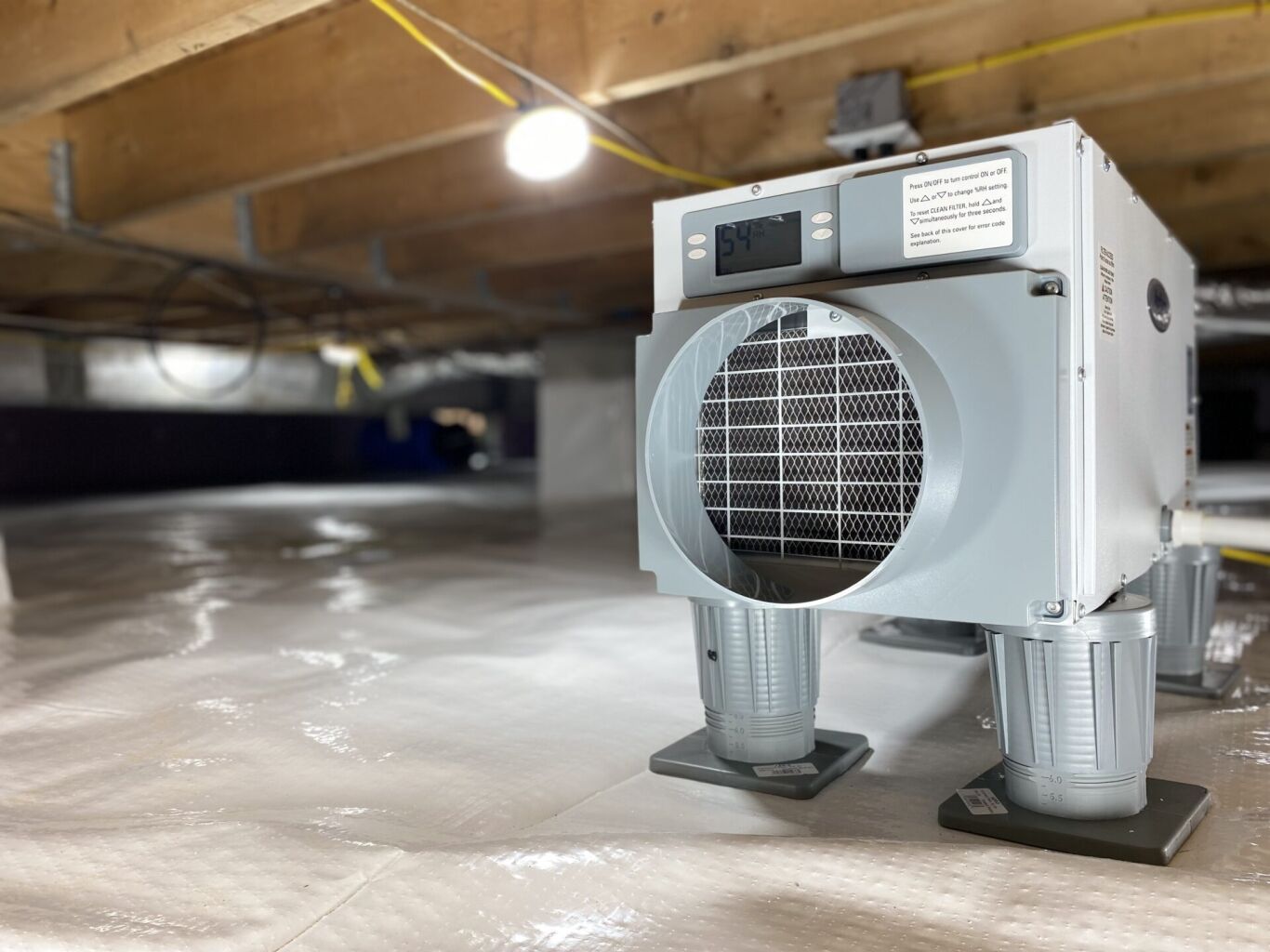
Crawl space humidity is a critical factor that significantly influences indoor air quality and the presence of allergens. High humidity levels in crawl spaces can lead to the proliferation of mold and dust mites, both of which are known to trigger allergic reactions and respiratory issues. This article delves into the intricate relationship between crawl space humidity and indoor allergens, exploring how moisture control can mitigate health risks. Readers will learn about the mechanisms through which humidity affects allergen development, the health implications of mold and dust mites, effective moisture control methods, and the latest research insights on this pressing issue. By understanding these connections, homeowners can take proactive steps to improve their indoor environments and safeguard their health.
Crawl space humidity plays a pivotal role in the development of indoor allergens, primarily by creating an environment conducive to mold growth and dust mite proliferation. High humidity levels directly affect the moisture content in building materials, which can lead to mold spores proliferating and dust mites thriving. Understanding this relationship is crucial for maintaining a healthy indoor environment and preventing allergic reactions.
High humidity levels are a primary catalyst for mold growth in crawl spaces. Mold spores thrive in damp conditions, and when humidity exceeds 60%, it creates an ideal environment for various mold species to flourish. Common types of mold found in crawl spaces include Aspergillus and Penicillium, both of which can release allergens into the air. Exposure to these mold spores can lead to respiratory issues, allergic reactions, and other health problems. Preventive measures, such as maintaining proper ventilation and using dehumidifiers, can significantly reduce the risk of mold growth.
Further research supports the effectiveness of various methods in controlling crawl space humidity and preventing mold.
Dust mites require moisture to survive, making high humidity levels in basements a perfect breeding ground for these allergens. Research indicates that dust mite populations can double in humid conditions, with optimal growth occurring at humidity levels above 70%. These microscopic creatures produce allergens that can trigger asthma and other respiratory conditions. Therefore, controlling humidity is essential for minimizing dust mite populations and their associated health risks.
Studies consistently highlight the critical role of humidity as a limiting factor for dust mite survival and reproduction.
The health risks posed by mold and dust mites in damp crawl spaces are significant and can affect individuals of all ages. Mold exposure can lead to a range of respiratory issues, including asthma, chronic cough, and allergic rhinitis. Similarly, dust mite allergens are a common trigger for asthma attacks and allergic reactions, particularly in sensitive individuals. Understanding these risks is vital for homeowners looking to create a safe and healthy living environment.
Crawl space mold produces various allergens that can enter the indoor air supply. Common allergens include mold spores, mycotoxins, and volatile organic compounds (VOCs). Symptoms of mold allergies can range from mild respiratory irritation to severe asthma attacks. Homeowners should be aware of the types of mold that can proliferate in their crawl spaces and take steps to mitigate their presence through effective moisture control.
The transport of mold and fungal spores from crawl spaces into indoor environments is a well-documented concern.
Dust mites in humid environments can have a profound impact on respiratory health. Studies have shown that exposure to dust mite allergens can exacerbate asthma symptoms and lead to increased hospital visits for respiratory issues. Individuals with pre-existing conditions, such as asthma or allergies, are particularly vulnerable. Implementing strategies to reduce humidity can help alleviate these health concerns and improve overall air quality.
Effective moisture control methods are essential for reducing allergens in crawl spaces. Homeowners can implement several strategies to manage humidity levels and prevent mold and dust mite growth. These methods not only improve indoor air quality but also enhance the overall health of the home environment.
Implementing these moisture control methods can lead to a healthier indoor environment by significantly reducing the presence of allergens.
Ventilation solutions are crucial for improving crawl space air quality by reducing humidity levels. Effective systems can include exhaust fans, passive vents, and air exchange systems that facilitate airflow. By promoting air circulation, these solutions help to lower moisture levels, thereby minimizing the risk of mold and dust mite proliferation. Homeowners should consider investing in quality ventilation systems to enhance their indoor air quality.
Crawl space encapsulation offers numerous benefits for moisture management. By sealing the crawl space with a durable vapor barrier, homeowners can prevent moisture from entering, which significantly reduces the likelihood of mold growth and dust mite infestations. Additionally, encapsulation can improve energy efficiency by maintaining consistent temperatures, leading to lower energy bills. Homeowners who have encapsulated their crawl spaces often report a noticeable improvement in indoor air quality and a reduction in allergens.
Monitoring and maintaining optimal humidity levels in crawl spaces is essential for preventing mold and dust mite growth. Homeowners can utilize various tools and techniques to ensure their crawl spaces remain dry and healthy.
Several tools are available for accurately measuring crawl space humidity. Hygrometers are commonly used to monitor humidity levels, providing real-time data that can help homeowners make informed decisions about moisture control. Additionally, moisture meters can be used to assess the moisture content in building materials, allowing for targeted interventions when necessary.
The Environmental Protection Agency (EPA) and the Centers for Disease Control and Prevention (CDC) provide guidelines that emphasize the importance of moisture control in preventing indoor allergens. These guidelines recommend maintaining humidity levels below 60% and implementing effective ventilation and moisture management strategies. Homeowners should adhere to these recommendations to ensure a healthy indoor environment and minimize health risks associated with allergens.
Business Name: DryTek Crawlspace Solutions
Address: 818 Brown St, Salisbury, MD 21804
Phone: 410-543-4848
Secondary Number: 302-468-1811
Business Hours:
Monday - Thursday: 8:00 AM to 4:00 PM
Friday: 8:00 AM to 12:00 PM
Saturday & Sunday: Closed
Salisbury, MD • Ocean Pines, MD • Ocean City, MD • Fruitland, MD • Delmar, MD • Berlin, MD
Milford, DE • Milton, DE • Georgetown, DE • Lewes, DE • Bethany Beach, DE • Ocean View, DE

Up to $150 off Military / Veteran / First Responder