Join Our Annual Maintenance Program!

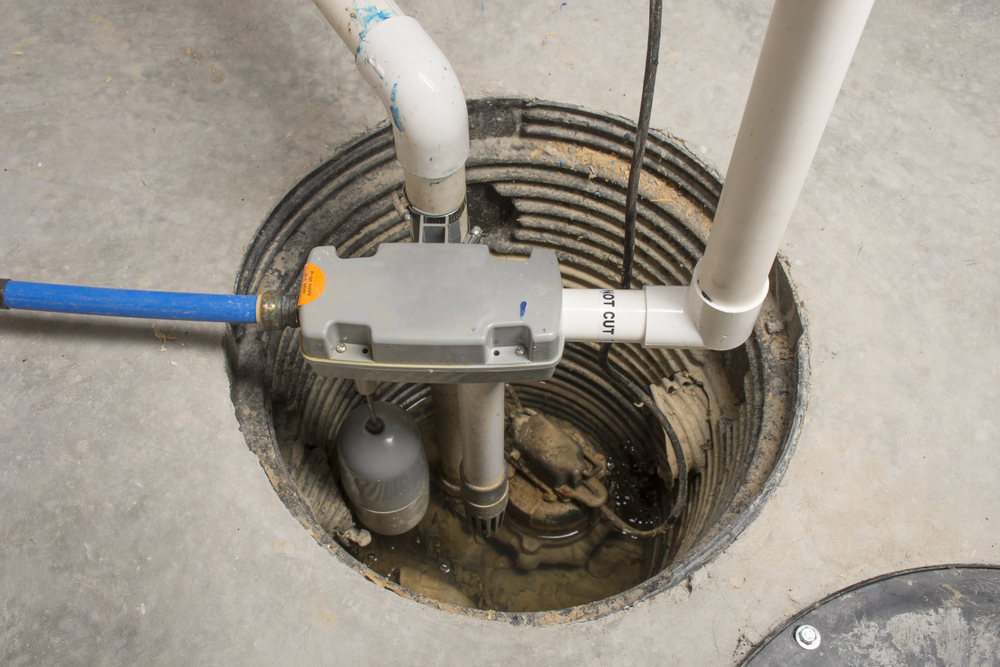
Sump pumps are essential devices designed to prevent water accumulation in crawl spaces, safeguarding homes from moisture-related issues. These systems work by automatically removing excess water, thereby protecting the structural integrity of the building and improving indoor air quality. Homeowners often face challenges with water intrusion, which can lead to mold growth and damage to the foundation. This article will explore the various water problems that sump pumps can prevent, the types of sump pumps available, installation processes, maintenance tips, and advanced features that enhance their performance. By understanding these aspects, homeowners can make informed decisions about sump pump installation and maintenance.
Crawl spaces are particularly vulnerable to water issues, which can lead to significant damage if not addressed promptly. Sump pumps play a crucial role in mitigating these problems by effectively managing excess moisture.
Excess moisture in crawl spaces can lead to several health and structural issues. Mold growth is one of the most significant concerns, as it can spread rapidly in damp environments, posing health risks to occupants. Additionally, prolonged exposure to moisture can cause structural damage to wooden beams and flooring, leading to costly repairs. Poor air quality is another consequence, as damp air can circulate throughout the home, exacerbating respiratory issues. By installing a sump pump, homeowners can significantly reduce these risks and maintain a healthier living environment.
When it comes to waterproofing crawl spaces, choosing the right type of sump pump is essential. There are two primary types of sump pumps: submersible and pedestal pumps, each with its unique advantages.
Submersible sump pumps are designed to be installed below the water level, making them highly effective in removing water quickly. They are typically quieter and more efficient, as they operate underwater. In contrast, pedestal sump pumps are positioned above the water level, making them easier to access for maintenance. While they may be less efficient in high-water situations, they are often more affordable and easier to install. Homeowners should consider their specific needs and the characteristics of their crawl space when selecting a sump pump.
Installing a sump pump in a crawl space involves several critical steps to ensure effective drainage and operation.
The installation process begins with site preparation, which includes clearing the area and ensuring proper drainage. Next, the sump pit is excavated, followed by the placement of the sump pump within the pit. After securing the pump, a drain pipe is connected to direct water away from the foundation. Finally, the area is backfilled, and the pump is tested to ensure it operates correctly. Proper installation is vital for the pump’s efficiency and longevity.
Regular maintenance is essential to ensure the longevity and effectiveness of sump pumps.
Common issues with sump pumps include clogging, power failures, and mechanical failures. Clogging can often be resolved by cleaning the sump pit and ensuring that the drain lines are clear. In cases of power failure, installing a battery backup system can provide peace of mind during outages. Mechanical failures may require professional assistance to diagnose and repair the pump.
Homeowners should perform maintenance on their sump pumps at least once a year. This includes checking the pump’s operation, cleaning the sump pit, and testing the backup system. Regular maintenance helps prevent unexpected failures and ensures that the pump operates efficiently when needed.
Modern sump pumps come equipped with advanced features that enhance their performance and reliability.
Battery backup systems are crucial for sump pumps, especially in areas prone to power outages. These systems ensure that the pump continues to operate even when the main power supply is interrupted. By providing a reliable power source, battery backups can prevent flooding and water damage during critical times.
Crawl space encapsulation involves sealing the crawl space with a vapor barrier, which works in conjunction with sump pumps to enhance waterproofing. This integration helps to control humidity levels and prevent moisture intrusion, creating a more effective moisture management system. Homeowners who invest in both encapsulation and sump pumps can achieve optimal protection against water damage.
Business Name: DryTek Crawlspace Solutions
Address: 818 Brown St, Salisbury, MD 21804
Phone: 410-543-4848
Secondary Number: 302-468-1811
Business Hours:
Monday - Thursday: 8:00 AM to 4:00 PM
Friday: 8:00 AM to 12:00 PM
Saturday & Sunday: Closed
Salisbury, MD • Ocean Pines, MD • Ocean City, MD • Fruitland, MD • Delmar, MD • Berlin, MD
Milford, DE • Milton, DE • Georgetown, DE • Lewes, DE • Bethany Beach, DE • Ocean View, DE

Up to $150 off Military / Veteran / First Responder