Join Our Annual Maintenance Program!

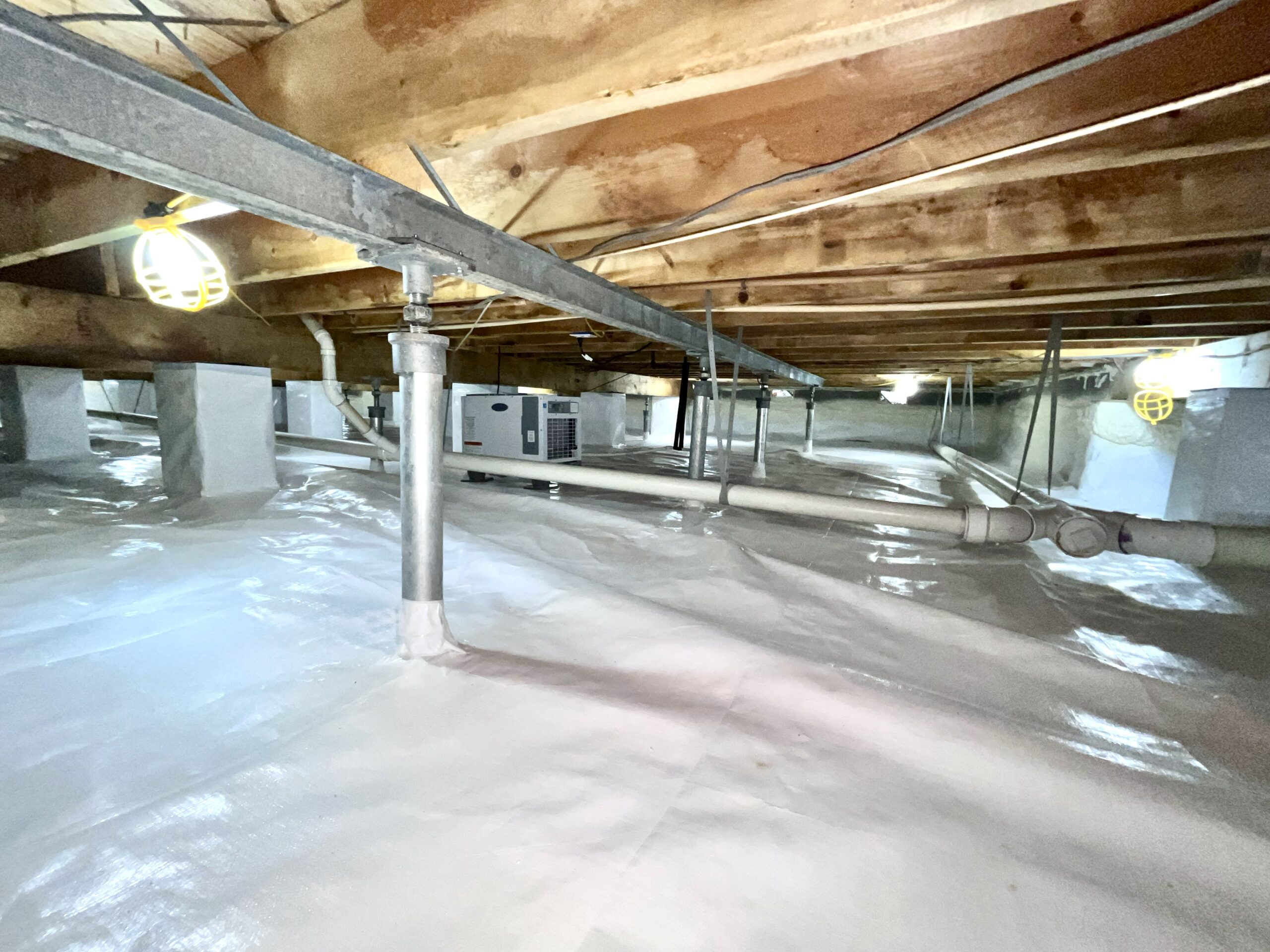
Proactive long-term crawl space maintenance safeguards a home’s foundation, indoor air, and energy efficiency by addressing moisture, structural integrity, mold prevention, and insulation. Essential Tips for Long-Term Crawl Space Care guides homeowners through moisture control, encapsulation steps, damage detection, mold mitigation, ventilation improvements, and insulation choices. By combining vapor barriers, dehumidification, drainage systems, periodic inspections, and professional intervention when needed, this strategy minimizes costly repairs and enhances comfort year after year.
Effective moisture control in a crawl space involves sealing vapor intrusion, installing dehumidifiers, implementing drainage, and integrating sump pumps to remove excess water. These combined measures stop ground seepage, reduce humidity, and protect structural components from rot and mold. For sustainable performance, homeowners should pair a high-density vapor barrier with a properly sized dehumidifier and a functional drainage network.
Excess moisture in a crawl space originates from ground seepage, condensation, plumbing leaks, and storm runoff.
These origins expose framing and insulation to dampness and highlight the need for targeted moisture barriers and drainage solutions.
A crawl space vapor barrier is a heavy-duty polyethylene sheet that blocks ground moisture from entering the subfloor area, reducing relative humidity and condensation on joists and ductwork. It creates a sealed envelope that isolates soil gases and moisture, lowering mold risk and protecting insulation performance.
Selecting the appropriate thickness ensures long-term barrier integrity and pairs seamlessly with encapsulation strategies.
Installing a crawl space dehumidifier reduces humidity below the 50 percent threshold that promotes mold growth and pest attraction.
Stable humidity control also lowers energy costs by easing the load on home HVAC systems.
Drainage systems channel surface and subsurface water away from foundation walls through perforated piping and gravel trenches. Sump pumps then eject accumulated water out of the crawl space, preventing hydrostatic pressure buildup. Together, they stop soil saturation, limit standing water, and reduce moisture entry that can undermine vapor barriers and insulation, setting the stage for effective encapsulation.
Crawl space encapsulation seals the entire subfloor area—walls and ground—with vapor barrier, foam insulation, and air-sealing techniques to create a conditioned, moisture-controlled environment. This service enhances air quality, lowers energy bills, and fortifies structural elements by preventing water vapor intrusion. Homeowners benefit from reduced allergen proliferation, consistent temperature, and extended lifespan of foundation components.
Encapsulation isolates soil gases and moisture, which cuts off pathways for radon and mold spores to enter the living space. Sealing vents and insulating walls converts the crawl space into a semi-conditioned zone, reducing heat loss through floors and stabilizing interior temperatures. The result is lower heating and cooling costs—often by 11–15 percent—and noticeably healthier indoor air free of damp-air contaminants.
Encapsulation materials include six- to sixteen-mil vapor barriers, closed-cell spray foam for wall insulation, polyethylene tape and sealants for joint sealing, and high-performance rigid insulation boards. Closed-cell foam adheres directly to masonry walls to eliminate thermal bridging, while taped seams ensure a continuous moisture barrier. Together, these components form an airtight envelope that prevents condensation and pest entry.
This step-by-step approach guarantees a fully sealed crawl space ready for lasting moisture management.
By creating an impermeable barrier, encapsulation denies mold spores the humid environment needed to grow and blocks insects and rodents from nesting in damp debris. Reducing relative humidity below 50 percent stops fungal development, while sealed seams and vent closures remove entry points for unwanted pests. This combined defense maintains a dry, sanitary crawl space that supports healthy home conditions.
Identifying structural damage early involves routine inspection of floor joists, support beams, and foundation walls for signs of water compromise and load-bearing weakness. Prompt repairs—such as sistering joists, replacing rotted beams, and injecting sealants into cracks—restore integrity, preventing safety hazards and costly collapses. Professional assessment ensures load capacity is maintained and corrective measures align with building codes.
Early detection leads to targeted repairs that preserve structural load paths and prevent progressive decay.
Rodents gnaw on framing and chew through vapor barrier seams, while termite infestations hollow out joists and support posts. Insect droppings and nesting materials absorb moisture, exacerbating wood rot and undermining insulation performance. Addressing pest intrusion swiftly reduces structural compromise and supports long-term crawl space health.
Homeowners should seek professional help if they observe severe joist deflection, persistent flooding, or evidence of widespread mold and pest activity. Complex issues such as foundation settlement, compromised support piers, or structural instability require licensed contractors with the tools and expertise to implement lasting solutions and comply with safety standards.
Preventing mold and promoting fresh air flow hinge on controlling humidity, sealing moisture sources, and ensuring adequate ventilation. A balanced approach—combining encapsulation, dehumidification, and strategic vent placement—eliminates stagnant damp pockets and reduces airborne spores. Improved air quality protects occupants from allergens and respiratory irritants.
High relative humidity above 50 percent, poor air exchange, organic debris on the ground, and unsealed soil surfaces create prime mold conditions. Limited airflow traps warm, moist air against cool surfaces, triggering condensation and spore colonization. Addressing these factors is crucial before installing moisture control systems.
Control moisture through encapsulation and dehumidifiers, remove organic debris and old insulation, seal foundation vents, and repair leaks promptly. Maintaining relative humidity below 50 percent and ensuring air exchange with conditioned air or vents interrupts the mold life cycle. Consistent monitoring verifies long-term success.
Proper ventilation exchanges stale, humid air with drier outside air or conditioned supply air, disrupting mold growth and reducing radon concentration. It mitigates the “stack effect” that draws crawl space air into living areas, thereby improving whole-house air quality. Combining ventilation with encapsulation delivers optimal health benefits.
Choosing the right insulation for a crawl space involves balancing R-value, moisture resistance, and installation ease. Closed-cell spray foam, rigid foam panels, and fiberglass batts each offer distinct advantages in thermal performance and vapor control. Long-lasting insulation reduces heat transfer, supports barrier integrity, and enhances floor comfort.
Closed-cell spray foam delivers high R-value per inch, air sealing, and moisture resistance in one application. Rigid foam panels offer consistent thermal performance, easy installation against walls, and built-in vapor control. Fiberglass batts are cost-effective but require protection from moisture and may lose efficiency if damp.
Seal all seams and joints with vapor-tight tape, install rigid panels or batts against foundation walls, apply spray foam to gaps and penetrations, and secure insulation to piers or beams. Proper fastening and sealing maintain long-term performance and prevent moisture intrusion behind insulating materials.
Effective crawl space insulation reduces conductive heat loss through the floor, stabilizes indoor temperatures, and reduces HVAC runtime. Homeowners often see a 10–15 percent drop in energy bills and experience warmer floors in winter and cooler interiors in summer, providing lasting comfort and cost savings.
Efficient crawl space care combines moisture control, encapsulation, issue detection, mold prevention, ventilation, and insulation to protect a home’s foundation and air quality for decades. Consistent inspections, timely repairs, and appropriate professional support ensure these strategies deliver maximum return on investment and sustained peace of mind.
Business Name: DryTek Crawlspace Solutions
Address: 818 Brown St, Salisbury, MD 21804
Phone: 410-543-4848
Secondary Number: 302-468-1811
Business Hours:
Monday - Thursday: 8:00 AM to 4:00 PM
Friday: 8:00 AM to 12:00 PM
Saturday & Sunday: Closed
Salisbury, MD • Ocean Pines, MD • Ocean City, MD • Fruitland, MD • Delmar, MD • Berlin, MD
Milford, DE • Milton, DE • Georgetown, DE • Lewes, DE • Bethany Beach, DE • Ocean View, DE

Up to $150 off Military / Veteran / First Responder