Join Our Annual Maintenance Program!
Delmarva homeowners face a unique combination of heavy seasonal rains, coastal Nor’easters, persistent humidity, and occasional freeze-thaw cycles that together threaten crawl spaces and foundations. This playbook explains how targeted waterproofing — including encapsulation, drainage, dehumidification, and structural repair — reduces moisture intrusion, prevents mold, and limits expensive structural damage. Readers will learn practical, seasonally timed steps to protect properties in Salisbury, Ocean City, and surrounding towns, plus how specific systems like vapor barriers and dehumidifiers work together to control humidity and vapor pressure. The article maps weather hazards to prioritized actions: identify key regional threats, match waterproofing systems to those threats, manage humidity with encapsulation plus dehumidification, prepare for Nor’easters with drainage and emergency response, and limit freeze-thaw damage with insulation and timely repairs. Throughout, semantic relationships clarify why each intervention matters — for example, Encapsulation prevents moisture → reduces mold risk → preserves structural integrity — while highlighting local service options and vetted equipment names where relevant. By the end, homeowners will have checklists and comparatives to guide prevention, triage, and professional engagement for crawl space moisture management Delmarva-wide.
Delmarva’s core weather threats are heavy rains, Nor’easters, high humidity, and freeze-thaw cycles, each producing distinct mechanisms of damage that affect crawl spaces and foundations. Heavy rains raise groundwater and hydrostatic pressure against foundation walls, Nor’easters combine wind-driven rain with coastal surge and erosion, humidity sustains elevated vapor pressure and microbial growth, and freeze-thaw cycles cause frost heave and soil movement that crack masonry. Understanding these mechanisms clarifies why integrated waterproofing is necessary: one solution rarely addresses all vectors of water and vapor intrusion. The following list summarizes the threats and their immediate impacts to optimize homeowner triage and professional recommendations.
Delmarva’s weather effects and their typical impacts include:
These concise threat definitions set the stage for practical response steps that follow in the next section, beginning with how heavy rains actually infiltrate crawl spaces and what to inspect immediately.
Heavy rains force water into vulnerable foundation planes through hydrostatic pressure and saturated soils, pushing groundwater through joints, cracks, and porous concrete. This mechanism accelerates deterioration of vapor barriers, saturates insulation, and can warp floor joists, leading to sagging floors and compromised indoor air quality from moisture-driven VOCs and spores. Homeowners commonly observe standing water, damp vapor barriers, and musty odors within 24–72 hours after a major storm; these are urgent signals for mitigation to prevent mold colonization. Immediate first-response steps include removing valuables, documenting damage, and engaging professional evaluation to stop active infiltration and begin controlled drying.
Recognizing these symptoms early reduces the risk of permanent structural damage and transitions naturally into coastal-specific impacts from Nor’easters, which combine surge and wind-driven rain with other hazards.
Nor’easters create a mix of storm surge, high tides, and wind-driven rain that can inundate crawl spaces and flood low-lying coastal yards, undermining grading and exposing foundations to prolonged immersion. The combined force of surge and driven rain can overwhelm surface drainage and force debris into drains, clogging French drains and downspouts and extending the duration of saturation. Typical damage patterns include eroded soil around footings, saturated insulation, compromised vapor barriers, and accelerated mold growth owing to long drying times in cool, humid conditions. Recommended rapid responses prioritize debris-clearing, emergency water removal, and temporary measures to redirect flow while planning permanent drainage and encapsulation upgrades.
These coastal impacts emphasize why system redundancy — drainage plus sump pumps and vapor barriers — is essential and leads into why humidity control remains a chronic challenge across Delmarva.
Coastal proximity and a high water table create persistent sources of moisture that sustain elevated relative humidity in crawl spaces year-round, not just after storms. High humidity maintains vapor pressure that drives moisture through porous materials and undermines passive ventilation by keeping air saturated; this fuels mold, rot, and corrosion and reduces indoor air quality as contaminants migrate upward. Simple ventilation often fails because outside air can be humid too, so mechanical dehumidification combined with air sealing and vapor barriers is typically required for lasting control. Recognizing persistent humidity as a continuous load reframes waterproofing from a one-time fix to an ongoing moisture management strategy.
This chronic humidity problem informs selection of targeted humidity-control systems, described in depth later, including dehumidification equipment and encapsulation tactics that work in tandem.
The freeze-thaw cycle damages foundations through frost heave and differential soil movement, where moisture in near-surface soils freezes, expands, and then thaws, producing repeated lateral and vertical stresses on footings and slabs. These mechanics create cracks, spalls, and misalignment in masonry and concrete; small hairline cracks widen over seasons into more serious structural defects. Visible indicators include diagonal wall cracks, gaps at sill plates, and uneven or sticking doors; catching these signs early enables less invasive repairs. Preventative measures include improved grading, foundation insulation, and addressing soil moisture sources to limit saturating cycles that feed frost heave.
Understanding freeze-thaw mechanics sets up practical winterization and inspection timing strategies, which follow when discussing foundation repair and insulation options.
Crawl space waterproofing encompasses encapsulation, drainage, sump pump systems, and foundation crack repair that together interrupt moisture pathways, manage water flow, and preserve structural materials. Encapsulation creates a sealed barrier to ground moisture; drainage systems redirect surface and subsurface water away from foundations; sump pumps remove collected water before it damages structure; and foundation crack repair restores continuity of load-bearing elements to prevent further ingress. These systems operate as a layered defense: vapor barriers reduce vapor diffusion, drainage reduces hydrostatic pressure, and mechanical removal prevents water accumulation. The next paragraphs detail each component and how they integrate in Delmarva conditions.
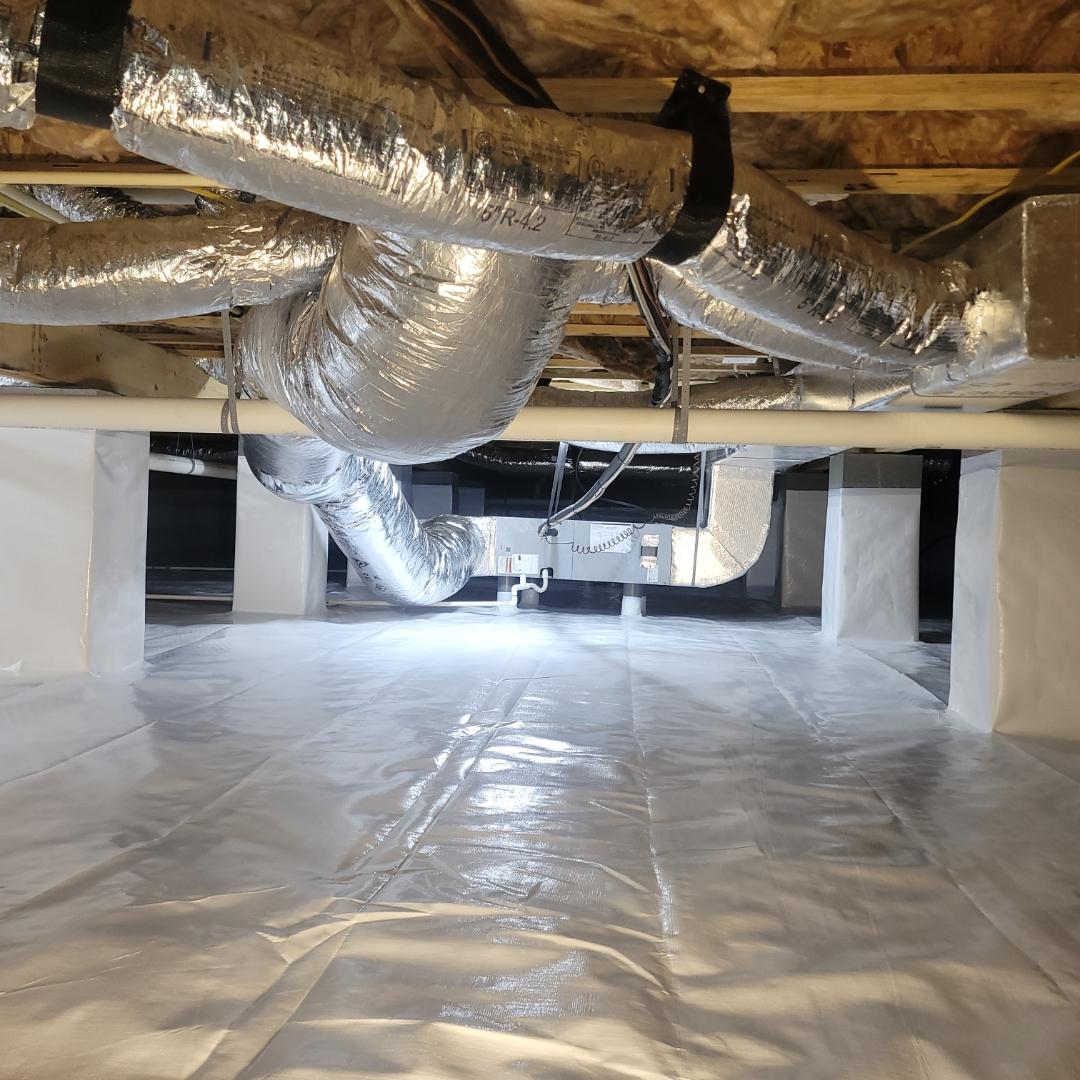
Crawl space encapsulation is the installation of a continuous vapor barrier on the floor and walls combined with air sealing and insulation to isolate the cavity from ground moisture and exterior humid air. The mechanism is simple: by eliminating direct vapor pathways and controlling airflow, encapsulation reduces relative humidity, prevents condensation, and impedes mold-friendly environments. Typical materials include multi-layer vapor barriers, closed-cell insulation, and taped seams to create a durable, maintainable envelope; proper installation also includes sealing vents and insulating rim joists. Homeowners gain energy savings, improved indoor air quality, and a more stable subfloor environment, making encapsulation foundational to effective crawl space moisture management.
Effective encapsulation naturally complements drainage and mechanical systems, which is the next component in the layered defense.
Drainage systems — both interior French drains and exterior perimeter drains — collect water before it reaches foundation walls and channel it to safe discharge points or a sump basin, reducing hydrostatic pressure. Interior systems are installed along the foundation perimeter beneath the vapor barrier to intercept seepage, while exterior systems divert water around the foundation footing; each has maintenance needs and site suitability considerations. Integrating drainage with a reliable sump pump ensures collected water is removed quickly, while proper grading and downspout management reduce surface runoff loads. Choosing interior vs exterior drainage depends on property constraints, soil conditions, and access, but both approaches aim to minimize standing water and protect structural elements.
The next critical component is reliable water removal when drainage alone cannot prevent accumulation, which is why sump pumps are essential after heavy rains.
A sump pump provides active water removal, discharging collected groundwater or precipitation runoff away from the foundation to prevent prolonged flooding and moisture saturation. The mechanism is straightforward: a sump basin collects intercepted water from drainage systems and the pump ejects it to a designated safe area, preventing hydrostatic pressure buildup. For Delmarva storms, sizing includes expected inflow rates and capacity for intermittent heavy loads; battery or secondary backups are recommended to operate during power outages common in severe weather. Routine maintenance — testing, cleaning float switches, and verifying discharge paths — ensures the system performs when needed and reduces risk of pump failure during Nor’easters or rapid snowmelt.
Sump pumps work in tandem with foundation crack repair to preserve structural integrity, which is addressed next.
Foundation crack repair restores structural continuity and prevents water passage through voids formed by settlement, shrinkage, or freeze-thaw stress, using techniques tailored to crack type and severity. Small non-structural hairline cracks often respond to epoxy injections that seal and bond, while larger structural separations may require epoxy or polyurethane injections, underpinning, or wall stabilization. Kemko® epoxy injections, when appropriate, re-establish load paths and stop active leaks without invasive excavation in many cases; accurate diagnosis distinguishes cosmetic from structural concerns. Timely repair reduces the chance of progressive deterioration, preserves interior finishes, and protects long-term property value.
With sealed and repaired foundations, the focus shifts to humidity control to maintain safe relative humidity levels within encapsulated spaces.
The best humidity-control strategy for Delmarva crawl spaces is a layered approach: encapsulation to stop incoming vapor, dedicated dehumidification to control residual moisture, and air sealing/insulation to stabilize temperatures and reduce condensation. This combination addresses both sources (ground vapor and humid air) and drivers (vapor pressure and temperature differentials) to keep relative humidity below mold-supporting thresholds. Selecting and sizing dehumidification equipment must account for crawl space volume, insulation levels, and local ambient conditions to achieve consistent control. The next section explains product benefits and installation considerations.
AprilAire dehumidifiers regulate relative humidity by actively removing water vapor from crawl space air, lowering the risk of condensation, mold growth, and moisture-driven corrosion. Their mechanism employs refrigeration-based coils to condense water vapor and remove it, which reduces vapor pressure and helps maintain target humidity (commonly 45% or lower for mold prevention). Certified installation and proper sizing are important to ensure continuous performance in Delmarva’s humid climate; professional installers factor insulation levels, encapsulation integrity, and anticipated moisture loads. Maintenance is straightforward — periodic filter changes and condensate checks — and properly installed units complement encapsulation to stabilize indoor air quality and protect HVAC efficiency.
Proper dehumidification also helps reveal mold problems early, which leads into the signs to watch for below.
Mold growth from excess humidity shows visually as fuzzy or discolored patches on wood, insulation, or vapor barriers, and often produces a persistent musty odor that signals microbial activity. Secondary indicators include frequent allergy-like symptoms among occupants, dirty HVAC returns, and elevated humidity readings on a hygrometer placed in the crawl space. If you observe visible mold or persistent odor, professionals should assess the species and extent to which microbial remediation is needed alongside humidity control. Early detection and remediation paired with encapsulation and dehumidification halt spread and limit long-term material damage.
Detecting mold and controlling humidity leads logically to discussing how dehumidification complements a sealed crawl space envelope.
Dehumidification complements encapsulation by controlling the residual moisture load that can persist after vapor barriers and air sealing reduce ingress; encapsulation reduces source strength, while dehumidifiers remove remaining humidity to achieve target relative humidity. Together they lower vapor pressure and reduce condensation on cold surfaces, protecting insulation, structural timber, and finishes from microbial growth and decay. Typical post-installation monitoring shows meaningful humidity drops in the first weeks, with maintenance focused on unit servicing and envelope integrity checks. This synergy produces stable indoor-air outcomes and reduces long-term energy impacts compared to ventilated or unsealed crawl spaces.
The next section examines coastal storm threats where drainage and emergency measures matter most.
Nor’easters and coastal storms threaten properties through storm surge, wind-driven rain, and accelerated erosion, each of which increases water exposure and undermines protective grading and drainage systems. These threats intensify demands on drainage, sump pumps, and encapsulation; they also require rapid response to reduce mold and structural loss after inundation. Mapping each storm threat to specific protective measures clarifies investment choices and emergency priorities for homeowners. The next paragraphs recommend specific method combinations by severity.
For Nor’easter scenarios, effective waterproofing combines sealed encapsulation, robust drainage (including French drains), elevated mechanicals, and reliable sump pumping to handle surge and driven precipitation. The practical approach matches severity to intervention: minor risk properties typically benefit from downspout extensions and encapsulation; moderate-risk homes add interior or exterior French drains and a sump with backup; high-risk coastal homes may need elevation of critical systems and reinforced grading. Cost-vs-benefit analysis favors staged upgrades that start with sealing and drainage, then progress to mechanical redundancy as risk and exposure increase. Professional assessment clarifies recommended combinations based on property elevation, soil, and historic flooding patterns.
When flooding does occur, rapid water removal limits damage — the next section explains emergency steps and timing.
Emergency water removal mitigates Nor’easter damage by extracting standing water quickly to prevent prolonged saturation, limit mold growth, and reduce the chance of structural warping and corrosion. Immediate actions include safe power isolation, photographer documentation, removal of wet contents, and fast extraction followed by thorough drying and dehumidification to bring humidity down to safe levels. Professional emergency water removal coordinates pumps, high-capacity extractors, and drying fans with monitoring to avoid secondary damage from improper drying. Rapid extraction within 24–48 hours significantly lowers remediation costs, and the process pairs with subsequent repairs and waterproofing to reduce recurrence risk.
These emergency response needs explain why rapid drainage installations like French drains and temporary protections are essential pre-storm preparations.
Downspout extensions and improved drainage reduce the volume of roof-driven and surface runoff that reaches foundation grades, decreasing the likelihood of water pooling and entering crawl spaces. Properly sized extensions move water several feet beyond the foundation; coordinated grading and French drains then direct it toward safe discharge zones. Regular maintenance — clearing gutters, testing discharge paths, and inspecting connections — ensures these passive systems function during critical storms. When surface measures are insufficient, professional drainage upgrades integrate downspouts with subsurface systems to protect vulnerable foundations more reliably.
With drainage and emergency response covered, the next section addresses freeze-thaw prevention and timing for repair work.
Preventing freeze-thaw damage focuses on controlling soil moisture, insulating foundation planes, and ensuring positive grading so water does not collect near footings where freeze expansion can occur. Managing surface water through gutters, downspouts, and drainage systems reduces saturation that feeds frost heave; thermal insulation of foundation walls and rim joists stabilizes temperature profiles that limit freezing at critical depths. Regular inspections scheduled before winter and after thaw cycles catch developing cracks early so they can be analyzed and repaired before they grow. Implementing these measures reduces the cycle of expansion and contraction that accelerates foundation deterioration.
These preventative strategies lead into a more detailed look at causes and targeted interventions that follow.
Foundation cracks during freeze-thaw cycles result from moisture-laden soils expanding as ice forms and contracting when it melts, creating lateral pressures and differential settlement against footings and walls. Clay-rich or poorly drained soils exacerbate this process because they retain water near the freeze depth, amplifying heaving forces. Visible early signs include horizontal cracking, step cracks in masonry, and doors or windows that suddenly bind after seasonal shifts. Scheduling inspections right after thaw periods helps professionals determine causation and prioritize repairs before seasonal repetition magnifies damage.
Understanding causes informs preventative insulation choices detailed next.
Foundation insulation reduces the depth and extent of ground freezing adjacent to the foundation by maintaining warmer soil temperatures, which in turn lowers frost heave risk and stabilizes supporting soils. Materials like rigid foam applied to exterior walls or insulated sheathing on rim joists create thermal breaks that reduce temperature-driven expansion cycles. Proper installation balances thermal protection with moisture control to avoid trapping water between layers. Evaluating cost vs benefit typically favors targeted insulation where freeze risk and soil moisture combine to present the greatest threat.
When preventive measures are insufficient, professional repair timing becomes critical to stop progression, discussed in the next subsection.
Schedule professional foundation crack repair when cracks widen over time, allow water infiltration, cause interior dampness, or coincide with structural shifts like sagging floors or misaligned doors. Assessment includes crack monitoring, moisture tracing, and structural evaluation to determine whether injections, underpinning, or wall stabilization are required. Early repairs using appropriate methods such as epoxy injections for non-moving cracks often prevent more expensive structural interventions. Prompt repair also preserves warranties and reduces the likelihood of repeated invasive work later.
After emphasizing timing and repairs, the guide turns to why choosing a qualified local provider matters and what DryTek can offer.
DryTek Crawlspace Solutions presents local-focused offerings that align with Delmarva conditions, including certified equipment installation, service guarantees, and targeted discounts for qualifying homeowners. The company’s local capabilities include certified AprilAire dehumidifier installation and recognition by the Maryland Home Improvement Commission, providing homeowners with assurance about equipment selection and regulatory compliance. Service promises include a One-Year Workmanship Warranty, free estimates and consultations to scope needs, and discounts up to $150 off for Military, Veterans, and First Responders to reduce upfront barriers to protection. These attributes help homeowners choose a partner that combines product knowledge with local weather-aware system design.
Below are specific certifications, warranty, and discount details as stated for homeowner clarity and next-step planning.
DryTek offers certified installation for AprilAire dehumidifiers and is listed with the Maryland Home Improvement Commission; these credential references support trust in product selection and permitting where applicable. Additionally, DryTek provides a One-Year Workmanship Warranty that covers installation-related issues, which reduces homeowner risk for post-installation defects. Free estimates and consultations enable homeowners to receive tailored proposals without obligation, and these interactions typically include humidity measurements and system sizing recommendations. Knowing these service elements helps homeowners evaluate installers beyond price and toward long-term performance.
These offerings connect to tailored system design choices for Delmarva weather, detailed next.
DryTek customizes solutions by matching encapsulation, drainage, dehumidification, and structural repair packages to specific property conditions such as coastal exposure, soil type, and historic water intrusion patterns. For coastal homes, recommendations may emphasize French drains and elevated mechanicals; inland properties prone to freeze-thaw cycles receive insulation and foundation repair emphasis. Customization includes system component selection, such as recommending AprilAire dehumidifiers where whole-crawl-space control is needed and sizing sump pumps to local inflow profiles. Tailored proposals ensure interventions address root causes identified during free consultations and reduce unnecessary system overlap.
This local customization is paired with discount incentives, explained in the next subsection.
DryTek provides discounts up to $150 off for qualifying Military, Veterans, and First Responders as part of its local support offerings, making essential waterproofing services more accessible to those groups. Eligibility is typically verified during the estimate or consultation process, enabling discounts to be applied transparently to recommended project scopes. Combining discounts with free estimates allows homeowners in these groups to evaluate options without upfront cost barriers and prioritize interventions based on risk and budget. Claiming discounts is coordinated during scheduling to ensure they apply to the final proposal.
With company offerings defined, homeowners also need to know service reach across Delmarva to confirm local availability.
DryTek serves a broad Delmarva footprint encompassing coastal and inland towns where local weather patterns demand specialized waterproofing strategies and responsive service. Local presence improves response time for emergency water removal and allows teams to apply regional knowledge about soil, tide influence, and typical construction types. Below is a clear list of towns covered so homeowners can verify local availability before requesting an estimate.
DryTek’s service area includes the following towns:
This explicit coverage list helps homeowners connect local weather patterns to appropriate waterproofing choices and supports faster scheduling and service continuity.
The list above enumerates the Maryland and Delaware towns within DryTek’s stated service footprint, reflecting a range of coastal and inland contexts that influence system selection and emergency readiness. Serving both coastal towns like Ocean City and inland communities like Salisbury ensures technicians encounter varied soil conditions and exposure profiles regularly. Local coverage assists with timely emergency response after storms and with climate-aware system designs tailored to each microclimate. Homeowners should reference these towns when requesting a free estimate to confirm scheduling and service details.
Local expertise directly improves system effectiveness, which is explained next.
Local expertise ensures installers choose systems informed by Delmarva’s specific humidity, tide, and soil patterns rather than generic solutions, leading to better longevity and fewer callbacks. Technicians familiar with regional freeze-thaw timing and Nor’easter behaviors can recommend appropriate insulation, drainage depth, and pump backups tuned to local risks. This applied knowledge reduces mis-sizing of equipment and avoids common mistakes like relying solely on passive ventilation in humid coastal zones. The result is more predictable performance and a clearer path to long-term moisture management.
The final H2 provides urgent signs and triage guidance for post-storm action.
After heavy rain or Nor’easters, immediate signs of crawl space distress include standing water, active leaks, musty odors, visible mold, and structural indicators such as sagging floors or shifted joists that require rapid action. Early identification enables homeowners to prioritize emergency response that minimizes mold spread and structural compromise while preserving salvageable materials. The checklist below provides an actionable triage sequence and helps homeowners decide when to engage professionals for extraction, remediation, and waterproofing. Following these steps reduces long-term repair costs and restores safe indoor air quality more quickly.
Observe these immediate warning signs and follow the mitigation checklist.
Applying this checklist promptly directs homeowners toward the right next steps, discussed in the following diagnostic subsections.
Identifying flooding and moisture damage involves visual inspection for standing water, saturated materials, compromised vapor barriers, and displaced insulation, plus noting musty smells and elevated humidity readings. Structural signs such as floor bounce, nail pops, and door misalignment indicate that moisture has progressed beyond cosmetic damage into load-bearing components. Short-term homeowner mitigation includes removing sensitive items, ensuring safety around electrical systems, and documenting conditions for insurance and contractors. Engaging professional assessment quickly moves the property from triage to controlled drying and repair planning.
Recognizing health impacts is crucial once moisture creates mold; the next subsection explains associated risks.
Mold and microbial growth in crawl spaces release spores and volatile compounds that can lower indoor air quality and provoke respiratory symptoms, allergic reactions, and other health issues in sensitive occupants. Evidence links damp indoor environments to increased asthma and allergy exacerbations, making remediation a public-health as well as structural priority. Professionals follow remediation protocols that remove active growth, address moisture sources, and verify safe post-remediation humidity levels. Homeowners should prioritize combined remediation and waterproofing to reduce recurrence and protect occupant health.
Finally, early waterproofing choices deliver long-term savings by avoiding costly reactive repairs, detailed below.
Early waterproofing prevents the escalation of minor moisture issues into mold remediation, structural repairs, and HVAC damage that cost significantly more than preventative systems; the savings compound over time as fewer interventions are needed. For example, installing a vapor barrier, drainage, and dehumidifier can avert repeated mold remediation and floor joist replacement, preserving home value and reducing insurance exposure. Preventative investments also lower energy bills by stabilizing subfloor temperatures and reducing HVAC loads caused by humid infiltration. Scheduling a free estimate and acting on prioritized recommendations enables homeowners to weigh upfront costs against predictable long-term savings.
Business Name: DryTek Crawlspace Solutions
Address: 818 Brown St, Salisbury, MD 21804
Phone: 410-543-4848
Secondary Number: 302-468-1811
Business Hours:
Monday - Thursday: 8:00 AM to 4:00 PM
Friday: 8:00 AM to 12:00 PM
Saturday & Sunday: Closed
Salisbury, MD • Ocean Pines, MD • Ocean City, MD • Fruitland, MD • Delmar, MD • Berlin, MD
Milford, DE • Milton, DE • Georgetown, DE • Lewes, DE • Bethany Beach, DE • Ocean View, DE
Up to $150 off Military / Veteran / First Responder